Chronic Headaches Dry Needling in Loveland
Targeted Treatment for Persistent Head Pain
Clinical Care For Recurring Headaches That Focuses On Neck Tension And Referred Pain Patterns.
Recurring headaches can make your days feel smaller than they should. You manage the ache, push through work, and hope the next one doesn’t hit at the worst time. Tension headaches, migraines, and cervicogenic headaches can share a common thread: muscle tension and trigger points that keep the neck and upper back on constant guard.
If you’re exploring chronic headaches dry needling in Loveland, treatment works best as part of a clear plan. We start with a focused evaluation, look at movement and neck-related drivers, then match care to your pattern and comfort level.
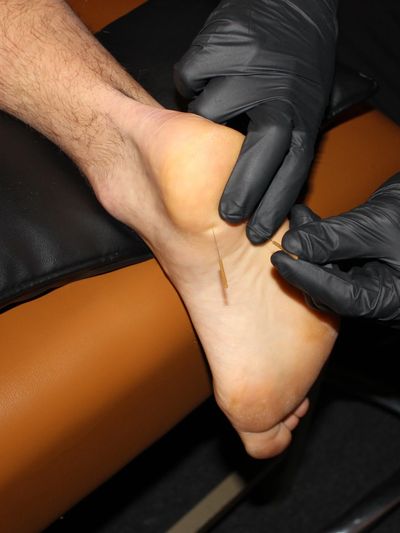

Why Headaches Can Keep Repeating
Recurring headaches often feel unpredictable, but they usually follow repeatable patterns in the body. When we understand what keeps the cycle going, treatment becomes clearer and more manageable.
Occasional Versus Chronic
Occasional headaches often follow stress, poor sleep, or a long day, then settle. Chronic headaches repeat because the drivers behind them keep returning, not because you did something wrong.
Common drivers we look for
- Muscle tension and myofascial trigger points in the neck, shoulders, and upper back
- Cervical spine stiffness that limits normal movement
- Referred pain patterns that send discomfort to the temples, forehead, or behind the eyes
- Neuromuscular dysfunction that keeps muscles guarded and reactive
When care targets these patterns and the movement limits linked to them, many people notice fewer flare-ups and steadier relief over time.
How Dry Needling Targets Chronic Headaches
Chronic headaches often involve trigger points in the neck, jaw, and upper back that keep muscles tight and reactive. With chronic headaches dry needling in Loveland, treatment focuses on releasing those points so the area can relax and move more normally. Many people notice improved blood flow in the irritated tissue and less muscle guarding, which can reduce the pressure feeling that builds into a headache.
Dry needling treatment can decrease pain signaling by calming the muscles and the nervous system response around them. Progress varies, but relief often builds over a series of visits as tension patterns settle and mobility improves.
If you’re exploring headaches dry needling in Loveland, it helps to think in patterns, not quick fixes. Treatment works best when care is guided by evaluation and adjusted based on how you’re responding.
Who Benefits From Headache Treatment
Recurring headaches can affect how you work, train, and recover, especially when neck and shoulder tension keeps building in the background.
This approach often helps:
- Office workers who sit for long hours and notice neck tightness by the end of the day
- Athletes who carry tension through the upper back, jaw, or shoulders during training
- People with posture strain who feel stiffness and headaches after screens or driving
- People with chronic neck pain who notice headaches flare when the neck feels locked up
Care stays individualized through evaluation and symptom tracking, so your plan fits your pattern and comfort level instead of a generic routine. If headaches are overlapping with broader pain patterns, explore our chronic pain therapy details for related support.